Advantages of Metal Fences: Lasting Strength, Style, and Security for Homes and Businesses
When you need a fence that blends long-term performance with modern curb appeal, metal is tough to beat. From safeguarding commercial perimeters to elevating residential landscapes, the metal fencing benefits are clear: strength, durability, low maintenance, and tailored design options that suit nearly any property. Whether you choose steel or aluminum, today’s metal systems deliver a high-value combination of security and style that stands up to time and weather.
What Makes Metal Fences Stand Out?
Durability that lasts: Metal systems are engineered for longevity. With galvanization and powder-coated finishes, durable fences made from steel or aluminum resist rust, fading, warping, and insect damage that commonly affect other materials. This resilience translates to a reliable, attractive boundary year after year.
Superior security: Metal posts and panels provide solid resistance to impact and tampering. Heavier-gauge steel excels in high-security applications, while aluminum offers strong perimeter definition without the weight. Either way, metal fence construction supports dependable gates, access controls, and anti-climb designs.
Low maintenance: Unlike wood that needs frequent staining or sealing, metal fencing typically requires only occasional rinsing and spot touch-ups. That means less time on upkeep and more time enjoying your property.
Design versatility: Clean, modern lines or classic ornamental silhouettes—metal fences do both. You can customize height, picket spacing, finials, rails, and color to complement architectural styles from historic to contemporary.
Long-term value: With outstanding life span, minimal maintenance, and robust performance, metal delivers cost efficiency over time. Many property owners find the total cost of ownership more favorable than alternatives that need regular replacement or intensive care.
Steel and Aluminum Fences: Which Is Right for You?
Steel Fences: Maximum Strength and High Security
Steel is the go-to when you prioritize strength. It’s a top choice for commercial and industrial sites requiring greater resistance to impact, forced entry, and heavy wear. Modern steel fences are often galvanized to prevent rust and finished with powder coating for extra protection and color stability. For residential properties, ornamental steel provides the refined look of wrought iron with improved corrosion resistance and less maintenance.
Best for: High-security perimeters, industrial facilities, loading docks, urban properties, and anywhere a heavier-duty solution is preferred.
Aluminum Fences: Lightweight, Versatile, and Corrosion-Resistant
Aluminum delivers many of the same metal fencing benefits in a lighter form. It won’t rust, making it ideal for coastal regions and areas with frequent rain or humidity. Aluminum panels are often “rackable,” allowing them to follow sloped terrain without gaps. They’re popular in neighborhoods with HOA guidelines thanks to their elegant profiles and consistent finishes.
Best for: Residential yards, pool enclosures, sloped sites, coastal climates, and design-forward applications where low weight and corrosion resistance are priorities.
Key Metal Fencing Benefits for Homes
Elevated curb appeal: Metal fences frame a property beautifully, whether you’re after minimalist lines or classic decorative touches. Powder-coated colors—black, bronze, white, and custom options—coordinate with trim, doors, and landscaping for a unified look.
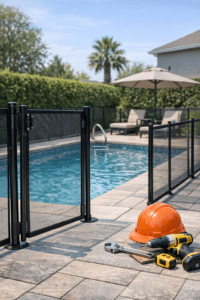
Safety for children and pets: Consistent picket spacing, secure latches, and sturdy gates keep loved ones where they belong. For pools, code-compliant aluminum systems with self-closing, self-latching gates offer safety without blocking views.
Property value support: The combination of aesthetic appeal, security, and low upkeep can enhance perceived value. Prospective buyers often recognize the long-lived nature of metal compared to materials that age faster.
Flexible privacy options: While many metal fences are open-profile, there are add-ons such as decorative slats or integrated panels to increase privacy where needed—around patios, hot tubs, or outdoor workspaces.
Smart integrations: Metal posts and frames readily support automated gates, intercoms, keypads, and smart locks, allowing you to scale your security over time.
Advantages for Commercial and Industrial Properties
Robust perimeter protection: Steel and aluminum systems deliver reliable boundary control for warehouses, schools, healthcare facilities, multifamily communities, and retail centers. Heavier gauges, anti-climb picket designs, and secure gate frames raise the security bar.
Access control ready: Metal fences pair seamlessly with turnstiles, bollards, crash-rated gates, and surveillance hardware, making them a smart foundation for layered security strategies.
Durability under heavy use: Frequent traffic, equipment movement, and environmental stressors are exactly what metal systems are built to handle. Powder-coated finishes maintain a professional appearance with minimal upkeep.
Total cost of ownership: While initial costs may be higher than some materials, the extended lifespan and low maintenance of metal often result in lower long-term expenses—especially in high-demand environments.
Durability and Maintenance Simplified
Protective finishes: Galvanization creates a zinc barrier that helps prevent steel from rusting. Powder coating adds another layer of defense with a UV-stable finish that resists chipping and fading. Aluminum’s natural oxide layer further protects against corrosion, making it an inherently durable fence material in wet or coastal conditions.
Simple care routine: A seasonal rinse with a garden hose usually keeps metal fences looking sharp. For tougher spots, use mild soap and a soft brush. Touch up any chips promptly to protect the underlying material.
Long-term reliability: Choose stainless or coated fasteners, avoid trapping soil against posts, and verify proper drainage around footings. These small steps go a long way toward decades of trouble-free performance.
Cost and Long-Term Value
Upfront vs. lifetime costs: Metal fences can cost more initially than some wood or vinyl options, but the equation changes when you consider repainting, repairs, and replacement cycles. With minimal maintenance and a long service life, the cumulative savings and reduced hassle are significant.
Resale and insurance considerations: Secure, well-maintained boundaries may positively influence buyer interest and, in some cases, risk assessments. While policies vary, many property owners see practical value in the security and durability metal provides.
Predictable maintenance: Plan for occasional cleaning, hinge lubrication, and minor touch-ups—far less than the ongoing costs of sealing or replacing more fragile materials.
Design Options and Customization
Styles and profiles: Choose from flat-top, spear-top, alternating pickets, decorative rings, and more. Horizontal designs are popular for contemporary homes, while ornamental profiles suit traditional architecture.
Colors and finishes: Textured black is a classic, but bronze, white, and custom hues are widely available. Quality powder coats deliver consistent color and surface protection across all components.
Heights and spacing: Select picket spacing for safety or aesthetics, align with pool codes where applicable, and set heights to balance sightlines and security needs.
Gates and hardware: Match pedestrian and driveway gates to your fence style. Add self-closing hinges for pools, magnetic latches for convenience, and keypad or app-based controls for secure access.
Installation Considerations
Site planning: Mark boundaries, identify slopes, and determine gate locations early. Aluminum’s rackable panels excel on uneven grades, while steel provides rigidity where you need straight, high-security lines.
Footings and posts: Proper post depth and concrete footings are critical for stability. In cold climates, set posts below frost lines to prevent heaving. Use gravel at the base of footings for drainage.
Permits and codes: Check local regulations for height limits, pool safety requirements, and frontage rules. HOAs often specify approved styles and colors for a cohesive neighborhood appearance.
Utility location: Call to locate underground utilities before digging. Striking lines or conduits can be dangerous and