
Guide to Residential Fence Installation Costs
Installing a new fence can improve privacy, security, curb appeal, and even property value. But before starting your project, it helps to understand what goes into the total price. A well-planned fence installation cost guide can help homeowners make informed decisions, compare materials, and avoid unexpected expenses along the way.
Whether you want a simple boundary fence or a durable privacy enclosure, the final cost depends on more than just materials. Labor, property layout, fence height, permits, and site preparation all affect your budget. In this article, we’ll break down average fence prices, explain the biggest cost factors, and share smart strategies for budgeting for fence installation.
What Impacts Residential Fence Installation Costs?
There is no one-size-fits-all price for fencing. The total cost of a residential fence is usually based on a combination of material choice, project size, and site conditions. Understanding these variables is the first step in using a reliable fence installation cost guide.
1. Fence Material
The material you choose has the biggest influence on cost. Wood, vinyl, chain link, aluminum, wrought iron, and composite all come with different upfront prices and maintenance needs. While some materials cost less initially, they may require more upkeep over time.
2. Fence Height and Length
Most fencing is priced by the linear foot. That means a longer fence will naturally cost more. Height also matters. A 6-foot privacy fence generally costs more than a 4-foot decorative fence because it uses more material and may require stronger posts and additional labor.
3. Labor Costs
Professional installation rates vary by region, contractor experience, and project complexity. If your property has slopes, tree roots, rocky soil, or limited access, labor costs may increase. Labor can account for a significant portion of average fence prices.
4. Property Conditions
A flat, open yard is typically easier and less expensive to fence than a yard with uneven terrain or obstacles. Removing old fencing, clearing vegetation, and leveling the ground can add to the overall expense.
5. Gates and Custom Features
Adding one or more gates, decorative post caps, lattice tops, or custom finishes will raise the total cost. Wider driveway gates and specialty hardware may increase both material and labor charges.
6. Permits and HOA Requirements
Some municipalities require permits for fence installation. Homeowners associations may also have rules regarding style, height, and placement. Permit fees and compliance adjustments should always be included when budgeting for fence installation.
Average Fence Prices by Material
If you’re comparing options, it helps to review typical price ranges. While costs vary by location and contractor, the following estimates offer a practical overview of average fence prices for residential projects.
Wood Fencing
Wood remains one of the most popular choices for homeowners because of its natural look and versatility. A basic wood fence may cost less upfront than premium materials, but long-term maintenance should be considered.
Typical price range: $15 to $35 per linear foot installed
Pressure-treated pine is often the most affordable option, while cedar and redwood tend to cost more. Wood works well for privacy fences, picket fences, and custom designs, but it may need staining, sealing, or repairs over time.
Vinyl Fencing
Vinyl fencing is known for its low maintenance and clean appearance. It resists rot, insects, and weather damage better than many wood products, making it attractive for homeowners seeking long-term value.
Typical price range: $20 to $40 per linear foot installed
Although the initial investment is often higher than wood, vinyl may save money over time through reduced maintenance costs.
Chain Link Fencing
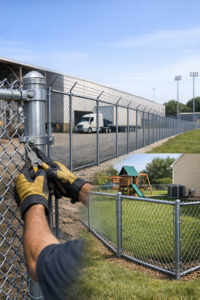
Chain link is usually one of the most budget-friendly residential fencing options. It is commonly used for security, pet containment, and backyard boundaries.
Typical price range: $10 to $25 per linear foot installed
Black-coated chain link or privacy slats can raise the total cost, but this material still ranks among the lowest in many fence installation cost guide comparisons.
Aluminum Fencing
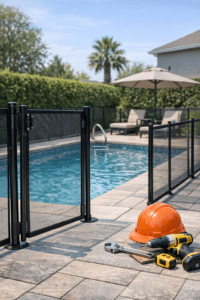
Aluminum fencing offers a decorative, durable look similar to wrought iron without the same level of maintenance. It is often used around front yards, pools, and landscaped areas.
Typical price range: $25 to $45 per linear foot installed
Aluminum is rust-resistant and lightweight, which can help offset labor in some installations.
Wrought Iron and Steel Fencing
For homeowners seeking strength and elegance, wrought iron or steel fencing is a premium choice. These fences are durable and attractive, but they tend to come at a higher cost.
Typical price range: $30 to $70+ per linear foot installed
Custom fabrication, ornate designs, and protective finishes can increase pricing further.
Composite Fencing
Composite fencing combines recycled wood fibers and plastic to create a durable, low-maintenance product. It can mimic the appearance of wood while offering improved weather resistance.
Typical price range: $25 to $50 per linear foot installed
Composite can be a strong long-term investment for homeowners who want aesthetics and durability with less ongoing maintenance.
Estimated Total Costs for Common Residential Fence Projects
To make budgeting for fence installation easier, here are some broad examples of project totals based on size and material. These estimates are for illustration and may vary by market.
Small Backyard Fence
A small backyard fence measuring around 100 linear feet may cost:
Chain link: $1,000 to $2,500
Wood: $1,500 to $3,500
Vinyl: $2,000 to $4,000
Medium-Sized Privacy Fence
A medium-sized yard requiring 150 to 200 linear feet of privacy fencing may cost:
Wood: $2,500 to $7,000
Vinyl: $3,000 to $8,000
Composite: $4,000 to $9,000
Large Perimeter Fence
A large property with 300 linear feet or more could range from:
Chain link: $3,000 to $7,500
Wood: $4,500 to $10,500
Aluminum: $7,500 to $13,500+
These examples show why a detailed fence installation cost guide is so useful. Material prices add up quickly, and even small design upgrades can significantly affect your total.
Hidden and Often Overlooked Costs
Many homeowners focus on fence panels and posts, but there are additional costs that can surprise you if they are not included in the original estimate.
Old Fence Removal
If you’re replacing an existing fence, removal and disposal may cost extra. Pricing depends on the size of the old fence and how difficult it is to remove.
Land Surveying
If property lines are unclear, a survey may be necessary before installation begins. This step can prevent neighbor disputes and costly corrections later.
Post Installation Challenges
Digging post holes in rocky or root-filled soil takes more time and may require special equipment. Concrete footings, especially for taller or heavier fences, also increase the total cost.
Staining, Painting, and Sealing
Wood fences often need finishing for protection and appearance. This may be included in some estimates, but often it is a separate expense.
Maintenance Over Time
When reviewing average fence prices, it’s important to think beyond installation. A low-cost fence may become more expensive over the years if it requires frequent repairs, repainting, or replacement boards.
How to Budget for Fence Installation
Smart budgeting for fence projects starts with clear priorities. Knowing what matters most to you—privacy, appearance, security, or low maintenance—can help narrow your choices and keep costs under control.
Set a Realistic Price Range
Before requesting estimates, determine how much you’re comfortable spending. Include not just the fence itself, but permits, gate hardware, removal, and a small contingency fund for unexpected issues.
Measure Your Property Carefully
Accurate measurements are essential. Since fencing is priced per linear foot, even small errors can affect your quote. If needed, have a contractor confirm dimensions before finalizing the budget.
Compare Materials by Long-Term Value
Don’t base your decision only on upfront cost. Wood may appear less expensive initially, while vinyl or composite may offer better value over time because they require less maintenance. A complete fence installation cost guide should always consider lifecycle costs.
Get Multiple Quotes
Request estimates from at least three reputable contractors. Ask each one to break down material, labor, gate installation, removal, and permit fees. This makes it easier to compare proposals accurately.
Plan for Extras
Set aside 10% to 15% of your budget for surprises. Uneven ground, code requirements, or changes in material pricing can all increase final costs.
Ways to Save Money on Your Fence Project
If you want to reduce your spending without sacrificing quality, there are several practical approaches to consider.
Choose a Simpler Design
Decorative details, specialty tops, and custom gates can quickly raise average fence prices. A clean, straightforward design may help you stay within budget.
Use Cost-Effective Materials
Chain link and pressure-treated wood are often the most economical options. If privacy is not your main concern, these can be strong choices for keeping costs manageable.
Limit Fence Height Where Possible
Taller fences require more materials and labor. If local codes and your goals allow, selecting a slightly shorter fence may lower the total project cost.
Install During the Off-Season
Some contractors offer better pricing during slower times of the year. Scheduling your project outside peak demand periods may help reduce labor costs.
Handle Minor Prep Work Yourself
If your contractor allows it, clearing brush, removing small obstacles, or marking intended fence lines ahead of time may save money. Always confirm what is safe and appropriate before taking on any site work.
Should You Install a Fence Yourself or Hire a Professional?
DIY fence installation can save on labor, but it is not always the best option. A small, simple chain link or picket fence may be manageable for experienced homeowners. However, larger privacy fences, sloped yards, and code-compliant installations usually benefit from professional expertise.
Hiring a professional can reduce the risk of uneven posts, poor alignment, drainage issues, or accidental installation over a property line. Although labor adds to the total, it often delivers better durability and fewer costly mistakes. When reviewing a fence installation cost guide, the value of proper installation should not be overlooked.
Final Thoughts on Residential Fence Costs
Understanding residential fencing costs helps you plan wisely and avoid unnecessary surprises. From material selection to labor, permits, and maintenance, every detail plays a role in the final number. By reviewing average fence prices, comparing long-term value, and focusing on smart budgeting for fence installation, you can choose a fence that fits both your property and your finances.
If you’re preparing for a fencing project, start by measuring your yard, identifying your priorities, and requesting detailed quotes from trusted local professionals. A little planning now can lead to a fence that looks great, performs well, and stays within budget. Ready to move forward? Use this guide to take the next step and get estimates for your ideal fence today.