
How to Handle Fence Disputes with Neighbors
Few home issues escalate as quickly as a disagreement over a fence. From where it sits to how tall it stands, fencing can stir up strong feelings. The good news: most neighbor fence issues can be settled calmly with a little preparation, open communication, and a clear understanding of the rules. This guide walks you through practical steps for effective fence dispute resolution—so you can protect your property, preserve relationships, and stay on the right side of the law.
Why Fence Disputes Happen
Fence conflicts usually fall into a few categories:
- Boundary confusion: Unclear survey markers or assumptions about property line fencing can lead to accidental encroachment.
- Design and height: Disagreements over materials, aesthetics, and local height limits are common neighbor fence issues.
- Maintenance and costs: Who pays for repairs or replacement, and how often?
- Privacy and views: One neighbor seeks privacy while the other wants light, views, or airflow.
Understanding the root of the problem helps you focus on solutions instead of escalating the conflict.
A Step-by-Step Plan for Fence Dispute Resolution
1) Start with a calm conversation
Before sending letters or calling officials, knock on the door. Explain what you’ve noticed and listen to their perspective. Use neutral language: “I think the fence might cross our boundary by a foot—could we look into it together?” Avoid accusations. The vast majority of fence dispute resolution efforts succeed when both parties feel heard.
2) Confirm the boundary for Property Line Fencing
Never rely on old assumptions. To verify property line fencing:
- Collect documents: Deed, plat map, subdivision map, and title report. Many counties provide parcel maps online.
- Check markers: Look for iron pins or stakes at corners. Don’t move them.
- Hire a licensed surveyor: If anything is unclear, a survey is the most reliable option—and often cheaper than litigation.
Share findings transparently. If the fence encroaches, discuss options such as moving it, granting a written encroachment agreement, or adjusting costs to reflect who benefits.
3) Know the rules before you propose fixes
Local laws determine what’s legal for property line fencing. Research:
- Municipal codes: Height limits, setback rules, “good neighbor” fence requirements (finished side facing outward), and visibility triangles at driveways.
- HOA/strata bylaws: Material, color, and style restrictions that can influence neighbor fence issues.
- State statutes: Some states have partition fence or shared-fence cost laws, notice requirements, and dispute processes.
- Easements: Utility or access easements may prohibit building a fence in certain areas.
Document the applicable rules before your next conversation. Bringing facts—not frustrations—keeps fence dispute resolution constructive.
4) Put your proposal in writing
After you talk, summarize the proposed solution in a friendly email or letter. Include:
- What will be built or changed: Material, height, color, and exact location with reference to the survey line.
- Who pays and when: Cost-sharing ratios, payment schedule, and any permits.
- Maintenance plan: How repairs, staining, or vegetation trimming will be handled.
- Timeline: Start and completion dates, with room for weather delays.
Written clarity prevents misunderstandings and provides a record if disputes resurface later.
5) Explore creative solutions
Win–win outcomes are often possible, even for tense neighbor fence issues:
- Setback the fence slightly: Place it just inside your line to avoid future boundary debates.
- Blend materials: Combine privacy panels with lattice or spaced pickets where height is limited.
- Landscaping buffers: Hedges or trellises soften the look and improve privacy.
- Step the fence on slopes: Terraced panels maintain compliance and aesthetics.
- Noise/privacy screens: Strategic placement of shrubs or acoustic panels where permitted.
When Conversations Stall
Try mediation before escalating
Community mediation centers and private mediators specialize in neighbor conflicts. A neutral third party can help you both craft a durable agreement for property line fencing and related issues. Mediation is faster, cheaper, and less adversarial than court.
Send a respectful demand letter
If encroachment or damage persists, a polite, factual letter—ideally reviewed by an attorney—can outline the issue, proposed remedy, and a deadline. Keep the tone professional and solution-focused.
Know when to call professionals
- Surveyor: When boundary lines are disputed or pins are missing.
- Attorney: For adverse possession claims, easements, or repeated violations.
- Contractor: To estimate costs and ensure code-compliant construction.
Legal Concepts That Often Arise
Encroachment
When a fence crosses the boundary, remedies include moving it, compensating for the land used, or drafting an encroachment agreement. Avoid informal “handshake” deals—put it in writing and record it if advised.
Adverse possession and boundary by acquiescence
If a fence has been in the wrong spot for many years, local laws may allow ownership or boundary recognition to shift under specific conditions. Don’t rely on this without legal counsel—requirements are strict and vary widely.
Shared fence costs
Some jurisdictions split reasonable costs for property line fencing between neighbors, while others do not. Check state and local rules and include cost-sharing in any written agreement.
Special Situations in Neighbor Fence Issues
Trees, hedges, and “living” fences
Trees on the boundary may be jointly owned in some areas. Trimming encroaching branches is often allowed up to the line, but damaging or killing a tree can lead to significant liability. Confirm local tree ordinances before cutting.
Alleys, shared driveways, and easements
Fences cannot block recorded easements or public rights-of-way. Verify any recorded access rights in your title documents.
Rental properties
If a tenant’s actions cause fence damage, communicate with the property owner or management company. They are usually responsible for authorizing and paying for repairs.
Pools and safety fences
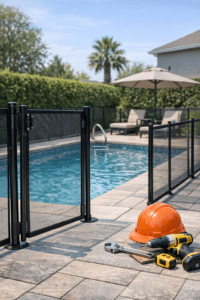
Pool barriers have strict height, latch, and spacing requirements. Safety codes typically override aesthetics—understand these rules early in your fence dispute resolution discussions.
Documentation: Your Quiet Superpower
Keep a calm, complete record:
- Photos and videos of the fence, markers, and any damage.
- Copies of permits, surveys, plats, and correspondence.
- Notes from conversations: dates, who attended, and what was discussed.
Thorough documentation often shortens disputes and strengthens your position if legal steps become necessary.
What Not to Do
- Don’t self-help destruct: Avoid removing or damaging a neighbor’s fence without legal authority—you could face civil and criminal penalties.
- Don’t ignore notices: Permit or violation letters have deadlines. Respond promptly.
- Don’t rely on hearsay: “That’s where the old fence was” is not proof. Use surveys and statutes.
- Don’t let it get personal: Keep communication focused on facts and outcomes.
Template Talking Points for a Productive Conversation
Use these as a starting point to keep fence dispute resolution friendly:
- “I pulled the plat map and it looks like the line is here. Would you be open to a joint survey to confirm?”
- “The city limits fences to six feet in backyards. Maybe we can use lattice on top to meet both privacy and code.”
- “If we split costs 50/50, I’m happy to manage permits and hire a licensed contractor.”
- “Let’s write up a short agreement so we’re both clear on maintenance.”
Turn Agreements into Durable Solutions
Write a boundary or fence agreement
A simple, signed agreement should describe the fence location, cost-sharing, maintenance, and what happens if it needs replacement. In some areas, recording the agreement with the county adds protection for future owners.
Build it right
Use quality materials, proper post depth, and corrosion-resistant fasteners. Ensure the finished side faces out if your code requires a “good neighbor” fence. Compliance today prevents tomorrow’s neighbor fence issues.
Maintain proactively
Schedule periodic checks for rot, loose fasteners, and leaning. Trim vegetation away from posts to extend life and avoid disputes about damage.
Frequently Asked Questions
Can I build entirely on my side to avoid disputes?
Yes. Many owners install the fence inches inside their boundary to retain full control and bypass shared-cost issues. Verify setbacks and utility locations first.
What if my neighbor refuses access to repair the fence?
Some jurisdictions allow limited access for necessary maintenance with notice. Check local laws; otherwise, coordinate times