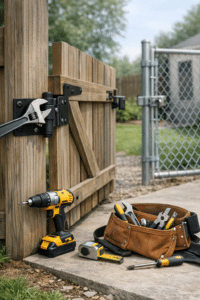

How to Protect Your Fence in Winter
Winter can be one of the toughest seasons for any outdoor structure, and your fence is no exception. Freezing temperatures, heavy snow, ice buildup, and constant moisture can all take a toll on wood, vinyl, and metal fencing. If you want your fence to stay strong, attractive, and functional through the coldest months, it helps to take a proactive approach before winter weather sets in.
With the right winter fence protection strategy, you can reduce the risk of warping, rot, rust, cracking, and leaning posts. A little preparation now can save you from expensive repairs later. In this guide, we’ll cover practical fence durability tips, explain why seasonal fence maintenance matters, and show you how to keep your fence in top condition all winter long.
Why Winter Is Hard on Fences
Fences are built to handle the outdoors, but winter introduces a unique set of challenges. Moisture is often the biggest problem. Snow and ice can sit against a fence for long periods, soaking into materials and creating ideal conditions for damage. When temperatures fluctuate, water can freeze and expand inside tiny cracks, making them worse over time.
Wood fences may absorb moisture, leading to swelling, splitting, or rot. Metal fences can develop rust if their protective coating is damaged. Vinyl fences may become brittle in extreme cold and crack under pressure. Even fence posts can shift if the ground repeatedly freezes and thaws.
That is why seasonal fence maintenance is so important. A fence that is well cared for before winter arrives is much more likely to survive the season with minimal issues.
Inspect Your Fence Before Winter Begins
One of the best fence durability tips is to inspect your fence thoroughly in late fall. Small problems have a way of becoming big problems once snow and ice arrive. Walk the entire fence line and look for signs of wear or weakness.
What to check during your inspection
Pay close attention to loose boards, cracked panels, leaning sections, exposed nails or screws, and signs of rot or rust. Check the base of the fence as well, since moisture often collects there first. If your fence has gates, make sure they open and close properly and that the hinges are tight.
Taking care of repairs before winter is a key part of winter fence protection. Reinforcing a weak section now is much easier than trying to fix it after a storm has caused further damage.
Clean Your Fence Before Snow Arrives
Cleaning may not seem like a major winter prep step, but it can make a real difference. Dirt, mildew, leaves, and debris can trap moisture against the fence surface, increasing the likelihood of stains, rot, and deterioration. A clean fence dries more effectively and is easier to inspect.
For wood fences, use a gentle cleaner or a wood-safe wash. For vinyl, mild soap and water are usually enough. Metal fences can be wiped down and checked for chipped paint or corrosion. Be sure to let the fence dry completely before applying any protective products.
This simple task supports both appearance and long-term seasonal fence maintenance, helping your fence stand up better to winter conditions.
Seal or Stain Wood Fences for Added Protection
If you have a wood fence, sealing or staining it before winter is one of the most effective forms of winter fence protection. Wood is especially vulnerable to moisture absorption, and once water gets into the grain, freezing temperatures can make the damage worse.
A quality water-repellent sealant or exterior stain creates a barrier against rain, snow, and ice. It also helps prevent fading and weathering. If your current finish is peeling or worn, it may be time to reapply it before the temperature drops too low.
When to apply a sealant
Try to seal or stain your fence during dry weather when temperatures are still moderate. This gives the product enough time to cure properly. Applying a protective finish too late in the season can reduce its effectiveness.
Among all fence durability tips, this is one of the most important for homeowners with wood fencing.
Protect Metal Fences from Rust and Corrosion
Metal fences are durable, but winter moisture can still cause problems. Snow, sleet, and ice can accelerate rust formation, especially if paint has chipped or protective coatings have worn away. Even a small scratch can become a starting point for corrosion.
Inspect metal fences for bare spots, rust patches, or flaking paint. Sand away any minor rust, then apply a rust-inhibiting primer and weather-resistant paint. Lubricate hinges and latches so they do not seize in freezing weather.
These preventive steps are smart seasonal fence maintenance practices that can significantly extend the life of an iron, steel, or aluminum fence.
Take Extra Care with Vinyl Fences
Vinyl fencing is low maintenance, but it is not completely immune to winter damage. Extremely cold temperatures can make vinyl more rigid and less flexible. This means that impact from falling branches, snow pressure, or accidental bumps from equipment can cause cracks or breaks.
Check panels and posts for any existing weak points, since those areas are more likely to fail in cold weather. Clean off buildup and avoid leaning heavy objects against the fence. If you decorate for the holidays, do not attach anything too heavy or use hardware that could stress the material.
Including vinyl-specific care in your winter fence protection plan helps preserve both strength and appearance.
Keep Snow and Ice from Building Up
Snow accumulation may look harmless, but repeated buildup can place a surprising amount of pressure on your fence. Wet, heavy snow is especially problematic. It can push against fence panels, strain posts, and trap moisture for long periods.
Safe snow removal tips
Clear snow away from the base of your fence when possible, especially after large storms. Use a shovel carefully and avoid striking the fence. Never chip ice directly off wood or vinyl with force, since that can cause cracking or splintering. Instead, let ice melt naturally when temperatures allow.
If you use a snow blower, keep it a safe distance from the fence to prevent accidental impact. This is one of the most overlooked fence durability tips, yet it can prevent costly damage during the harshest part of winter.
Watch for Drainage Problems Around the Fence Line
Good drainage is essential in every season, but it becomes especially important in winter. Water that pools around fence posts can freeze, expand, and weaken the surrounding soil. Over time, that can cause posts to shift, lean, or loosen.
Make sure gutters, downspouts, and landscape grading direct water away from your fence. Remove leaves or debris that could block proper drainage. If certain areas of your yard tend to stay soggy, consider adding gravel or adjusting the soil grade to improve runoff.
Preventing standing water is a valuable part of seasonal fence maintenance and can help preserve your fence’s structural stability.
Trim Nearby Trees and Branches
Snow and ice can make tree limbs heavy and unstable. Overhanging branches may snap during a storm and fall directly onto your fence. Even smaller branches can scrape surfaces, damage finishes, or create weak spots.
Before winter arrives, trim back branches that hang over or too close to your fence. Remove dead limbs and inspect nearby trees for signs of disease or instability. This protects not only your fence but also your yard and home.
As far as winter fence protection goes, this is a simple step that can prevent sudden and severe damage.
Check Fence Posts and Hardware
Fence panels often get the most attention, but posts and hardware are just as important. Posts provide the main structural support, and winter frost can test their strength. Loose brackets, hinges, or screws may become worse as materials contract in the cold.
Tighten all visible hardware and replace anything corroded or damaged. If a post already feels unstable, reinforce it before the ground freezes. Gates should latch securely without dragging, since misalignment can worsen during winter expansion and contraction.
These practical fence durability tips can help your fence stay sturdy even when winter weather becomes unpredictable.
Make Winter Fence Care Part of Your Regular Routine
The best way to avoid major fence issues is to treat care as an ongoing process rather than a one-time task. Check your fence after major storms, remove debris promptly, and keep an eye out for changes in alignment, surface condition, or moisture damage.
Regular seasonal fence maintenance does more than protect your investment. It also helps your property look neat and well cared for throughout the year. Whether your fence is decorative, practical, or both, a little effort during winter can add years to its life.
Conclusion
Protecting your fence in winter does not have to be complicated, but it does require attention. By inspecting for damage, cleaning surfaces, sealing vulnerable materials, managing snow and moisture, and following smart winter fence protection practices, you can prevent many common cold-weather problems before they start.
Use these fence durability tips and make seasonal fence maintenance part of your winter prep checklist. If your fence needs repairs or professional care before the next freeze, now is the perfect time to take action. Protect your fence today so it stays strong, safe, and attractive all season long.